

Embarking on an African safari is a dream for many travelers. The vast landscapes, incredible wildlife, and unique cultures make it an unforgettable experience. However, planning the perfect safari travel plan requires careful thought and preparation. From choosing the right destinations to deciding on the best time to visit, every detail matters. This guide will help you design an itinerary that suits your interests, budget, and time frame, ensuring a seamless and memorable adventure.
Crafting Your Safari Travel Plan: Key Considerations
When designing your safari travel plan, start by defining your priorities. Are you most interested in spotting the Big Five – lions, elephants, leopards, rhinos, and buffalo? Or do you want to explore diverse ecosystems, including savannahs, wetlands, and forests? Your preferences will influence the choice of parks and reserves.
Choose the Right Destinations
Africa offers a variety of safari destinations, each with its unique appeal:
- Serengeti National Park, Tanzania: Famous for the Great Migration and abundant wildlife.
- Maasai Mara, Kenya: Known for its large predator populations and cultural Maasai experiences.
- Kruger National Park, South Africa: Offers excellent infrastructure and diverse wildlife.
- Okavango Delta, Botswana: A water-based safari experience with rich birdlife.
- Amboseli National Park, Kenya: Renowned for its elephant herds and views of Mount Kilimanjaro.
Selecting a combination of parks can provide a balanced experience of wildlife, landscapes, and cultural encounters.
Determine the Best Time to Visit
The timing of your safari affects wildlife sightings and weather conditions. Generally, the dry season (June to October) is ideal for game viewing as animals gather around water sources. However, the wet season (November to May) offers lush scenery and opportunities to see newborn animals and migratory birds.
Plan Your Activities
Safaris are not just about game drives. Consider including:
- Walking safaris: Explore the bush on foot with a guide.
- Boat safaris: Navigate rivers or deltas to see aquatic wildlife.
- Cultural visits: Meet local communities and learn about their traditions.
- Night drives: Spot nocturnal animals with expert guides.
Balancing these activities will enrich your safari travel plan.
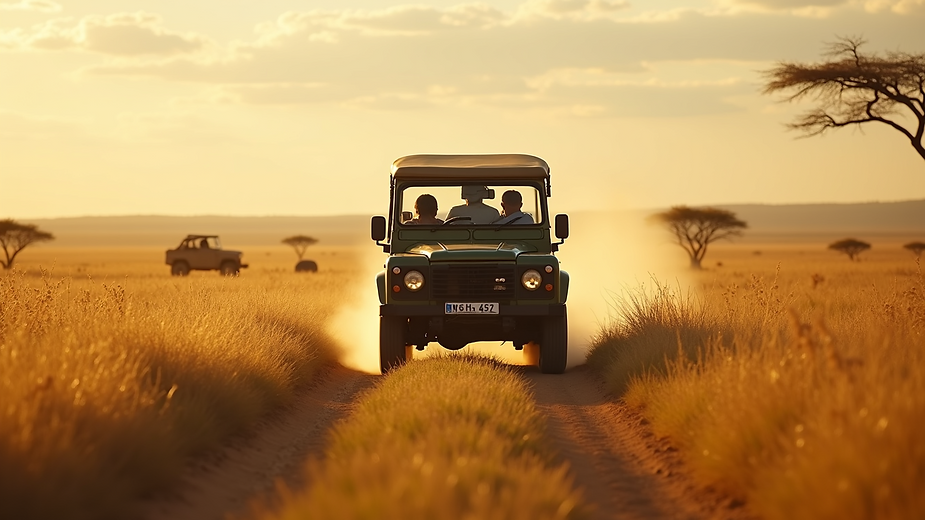
Essential Tips for a Smooth Safari Travel Plan
A well-organized safari travel plan minimizes stress and maximizes enjoyment. Here are practical tips to keep in mind:
Book Early and Choose Trusted Operators
Popular safari destinations can fill up quickly, especially during peak seasons. Booking early ensures availability and better rates. Opt for reputable tour operators who prioritize safety, sustainability, and quality experiences.
Pack Smart and Light
Safari packing requires a balance between comfort and practicality. Essentials include:
- Neutral-colored clothing to blend with the environment.
- Lightweight layers for varying temperatures.
- Binoculars and a good camera.
- Sun protection: hats, sunglasses, and sunscreen.
- Insect repellent and basic first aid supplies.
Avoid bright colors and strong perfumes that may disturb wildlife.
Health and Safety Precautions
Consult your healthcare provider about vaccinations and malaria prophylaxis. Carry a basic medical kit and stay hydrated. Follow your guide’s instructions during game drives and avoid approaching animals.
Understand Safari Etiquette
Respect wildlife and local cultures by:
- Keeping noise levels low.
- Staying inside vehicles unless guided otherwise.
- Not feeding animals.
- Seeking permission before photographing people.
These practices help preserve the environment and ensure your safety.
How to Customize Your African Safari Itinerary
Every traveler’s dream safari is unique. Customizing your itinerary allows you to focus on what excites you most.
Duration and Pace
Decide how many days you want to spend on safari. A typical trip ranges from 5 to 14 days. Shorter trips focus on one or two parks, while longer ones allow for multiple destinations and activities. Avoid cramming too much to prevent fatigue.
Accommodation Choices
Safari lodges and camps vary from luxury to budget-friendly options. Consider:
- Luxury lodges: Offer comfort, gourmet meals, and exclusive experiences.
- Tented camps: Provide an authentic bush experience with modern amenities.
- Mobile camps: Move with the wildlife for a dynamic adventure.
- Budget campsites: For travelers seeking affordability and simplicity.
Booking accommodations in advance is crucial, especially in popular parks.
Transportation and Transfers
Plan how you will move between destinations. Options include:
- Scheduled flights between major parks.
- Private transfers or road trips.
- Combination of both for convenience and cost-effectiveness.
Factor in travel times to maximize your safari time.
Sample Itinerary Idea
Here is a sample 7-day itinerary combining iconic parks:
- Day 1-2: Amboseli National Park – Elephant herds and views of Mount Kilimanjaro.
- Day 3-4: Lake Manyara National Park – Tree-climbing lions and flamingos.
- Day 5-7: Serengeti National Park – Witness the Great Migration and diverse wildlife.
This itinerary balances wildlife viewing with scenic diversity and cultural experiences.
For a detailed example, check out this african safari itinerary.

Preparing for Your Safari Adventure
Preparation is key to enjoying your safari travel plan fully. Here are some final recommendations:
- Documentation: Ensure your passport, visas, and travel insurance are in order.
- Currency and Payments: Carry local currency and credit cards; some remote areas may not accept cards.
- Communication: Inform family or friends about your itinerary and emergency contacts.
- Photography: Learn basic camera settings for wildlife photography.
- Mindset: Be patient and open to unexpected moments; wildlife sightings can be unpredictable.
By preparing well, you can focus on the magic of the African wilderness.
Embrace the Journey and Create Lasting Memories
Designing your perfect safari travel plan is the first step toward an extraordinary journey. With thoughtful planning, you will experience the thrill of wildlife encounters, the beauty of untouched landscapes, and the warmth of African cultures. Whether it’s your first safari or a return visit, each trip offers new discoveries and unforgettable moments. Start planning today and get ready to explore the wild heart of Africa.