

Embarking on a safari adventure offers a unique chance to witness wildlife in its natural habitat. Yet, the growing impact of tourism on fragile ecosystems calls for a new approach—one that respects nature and supports conservation. Chaz Tours and Travel provides an opportunity to explore Africa’s wild spaces responsibly, blending thrilling wildlife encounters with sustainable practices. This guide will help you plan a safari that leaves a positive mark on the environment and local communities.
Why Choose a Sustainable Safari?
Tourism can bring both benefits and challenges to wildlife areas. Traditional safaris sometimes contribute to habitat disruption, pollution, and strain on local resources. Sustainable safaris aim to reduce these impacts by:
- Minimizing waste and energy use
- Supporting local communities economically and culturally
- Protecting wildlife habitats through responsible behavior
- Educating travelers on conservation efforts
Choosing a sustainable safari means your adventure supports the long-term health of ecosystems and the people who live there. Chaz Tours and Travel specializes in eco-friendly trips designed to balance excitement with care.
How Chaz Tours and Travel Promotes Eco-Friendly Safaris
Chaz Tours and Travel integrates sustainability into every stage of your safari experience. Here’s how they make a difference:
Eco-Conscious Accommodations
The lodges and camps selected by Chaz prioritize environmental responsibility. Many use solar power, recycle water, and build with natural materials that blend into the landscape. These accommodations often work closely with conservation projects and employ local staff, ensuring your stay benefits the community.
Low-Impact Wildlife Viewing
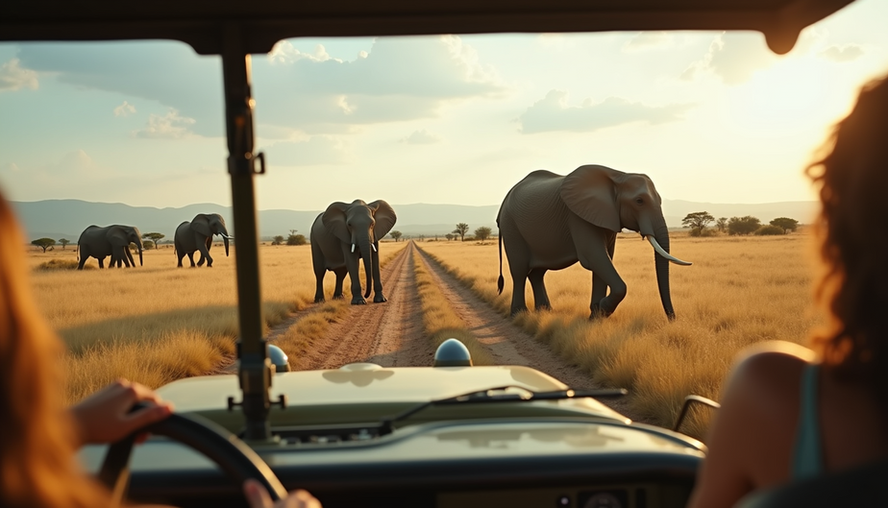
Chaz guides follow strict guidelines to minimize disturbance to animals. Vehicles keep a safe distance, avoid loud noises, and limit the number of visitors in sensitive areas. This approach helps preserve natural behaviors and reduces stress on wildlife.
Supporting Local Communities
Tours include visits to nearby villages where travelers can learn about local culture and crafts. Chaz ensures that a fair share of tourism revenue goes directly to community development projects like schools, healthcare, and clean water initiatives.
Education and Awareness
Before and during your safari, guides share insights about the environment, animal behavior, and conservation challenges. This knowledge encourages travelers to become advocates for wildlife protection long after their trip ends.
Planning Your Sustainable Safari with Chaz Tours and Travel
Choose the Right Destination
Africa offers many safari options, each with unique ecosystems and conservation needs. Chaz Tours and Travel can help you select a destination that aligns with your interests and sustainability goals. Popular eco-friendly safari locations include:
- Kenya’s Maasai Mara: Known for the Great Migration and community conservancies
- Tanzania’s Serengeti: Vast plains supporting diverse wildlife and anti-poaching efforts
- Botswana’s Okavango Delta: A water-rich wilderness with strict tourism limits
- South Africa’s Kruger National Park: Combining wildlife protection with cultural experiences
Pick a Responsible Safari Style
Different safari styles offer varying levels of impact and immersion. Options include:
- Mobile tented camps: Move with the animals and leave minimal footprint
- Walking safaris: Explore on foot with expert guides, reducing vehicle use
- Small group tours: Limit group size to reduce environmental strain and enhance experience
- Photographic safaris: Focus on capturing images without disturbing wildlife
Chaz Tours and Travel customizes itineraries to match your preferences while maintaining eco-friendly standards.
Pack Smart and Travel Light
Your packing choices can influence your safari’s environmental impact. Consider these tips:
- Bring reusable water bottles and avoid single-use plastics
- Use biodegradable toiletries to protect water sources
- Pack lightweight, neutral-colored clothing to blend with surroundings
- Carry binoculars and cameras to enjoy wildlife without getting too close
Respect Wildlife and Habitats
During your safari, follow these simple rules to protect animals and their homes:
- Keep a safe distance and never feed wildlife
- Stay on designated paths and avoid trampling vegetation
- Dispose of waste properly or carry it out with you
- Follow your guide’s instructions at all times
Real-Life Examples of Sustainable Safari Success
Chaz Tours and Travel has partnered with several conservation projects that demonstrate the benefits of eco-friendly tourism:
- Community Conservancies in Kenya: These areas empower local Maasai communities to manage land and wildlife, reducing poaching and increasing income through tourism.
- Anti-Poaching Initiatives in Botswana: Funds from safari fees support ranger patrols and technology to protect endangered species like elephants and rhinos.
- Reforestation Projects in Tanzania: Safari visitors contribute to planting native trees that restore habitats and combat climate change.
These examples show how your safari can be part of a larger effort to safeguard Africa’s natural heritage.
Tips for a Meaningful and Responsible Safari Experience
- Engage with local culture: Attend cultural performances and visit artisan markets to support traditional crafts.
- Ask questions: Learn about conservation challenges and how you can help beyond your trip.
- Share your experience: Use your stories to raise awareness about sustainable travel and wildlife protection.
- Choose ethical souvenirs: Avoid products made from endangered animals or unsustainable materials.