

Experiencing nature up close is a profound way to connect with the world around us. Wildlife conservation tours offer a unique opportunity to witness animals in their natural habitats while supporting efforts to protect endangered species and fragile ecosystems. These tours are more than just sightseeing trips; they are immersive experiences that foster appreciation, education, and active participation in conservation.
The Essence of Wildlife Conservation Tours
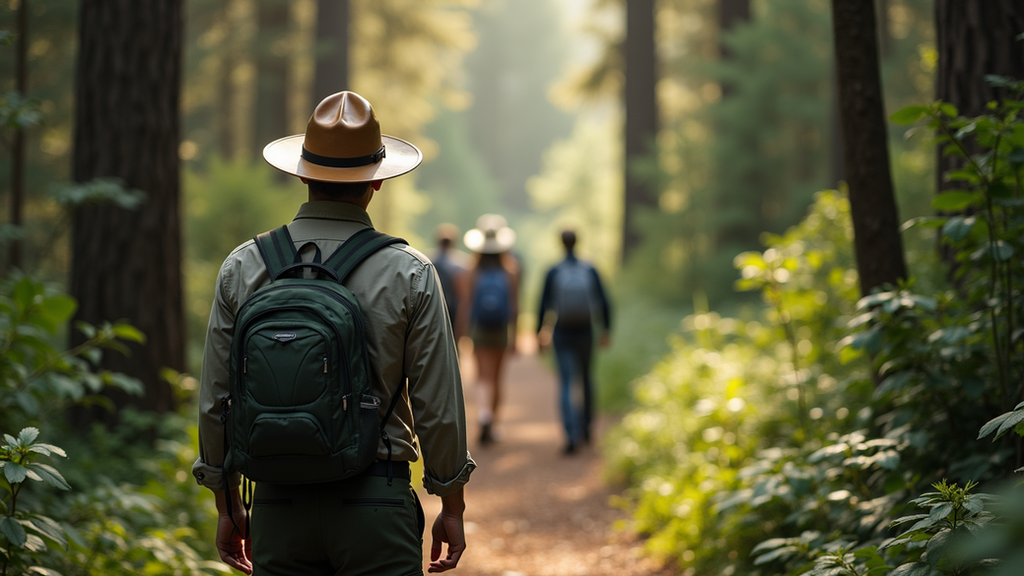
Wildlife conservation tours are designed to balance adventure with responsibility. Unlike traditional safaris or zoo visits, these tours emphasize sustainable practices that minimize human impact on wildlife and their environments. Participants often travel with expert guides who provide insights into animal behavior, habitat preservation, and the challenges facing various species.
Some key features of wildlife conservation tours include:
- Small group sizes to reduce disturbance to animals
- Eco-friendly accommodations that blend with the environment
- Educational sessions about local flora and fauna
- Opportunities to contribute to conservation projects, such as habitat restoration or wildlife monitoring
For example, in the African savannah, conservation tours might involve tracking elephants or rhinos with rangers to understand their movements and protect them from poachers. In tropical rainforests, tours may focus on birdwatching and learning about the delicate balance of the ecosystem.
How Wildlife Conservation Tours Benefit Nature and Communities
These tours play a crucial role in supporting both wildlife and local communities. By generating income through responsible tourism, they provide financial incentives to preserve natural habitats rather than convert them for agriculture or development. This economic support helps fund anti-poaching patrols, scientific research, and community education programs.
Moreover, local people often become active participants in conservation efforts. Many tours employ community members as guides, trackers, or hospitality staff, creating jobs and fostering pride in their natural heritage. This collaboration helps reduce conflicts between humans and wildlife, such as crop raiding by animals or hunting by locals.
Some practical benefits include:
- Funding for protected areas that might otherwise lack resources
- Empowerment of indigenous and local communities through employment and education
- Promotion of sustainable land use that balances human needs with wildlife preservation
- Raising global awareness about endangered species and environmental issues
By choosing wildlife conservation tours, travelers contribute directly to these positive outcomes while enjoying unforgettable experiences.
Planning Your Wildlife Conservation Tour
When preparing for a wildlife conservation tour, careful planning ensures a safe, enjoyable, and meaningful trip. Here are some actionable recommendations:
- Research tour operators: Look for companies with strong conservation credentials, positive reviews, and transparent practices.
- Understand the destination: Learn about the local climate, wildlife species, and cultural customs to prepare accordingly.
- Pack appropriately: Bring lightweight, neutral-colored clothing, sturdy footwear, insect repellent, binoculars, and a camera with a zoom lens.
- Respect wildlife and habitats: Follow guidelines provided by guides, maintain a safe distance from animals, and avoid disturbing natural settings.
- Be patient and observant: Wildlife sightings can require time and quiet; embrace the pace of nature.
For instance, if visiting the Galápagos Islands, travelers should be aware of strict biosecurity measures to prevent introducing invasive species. In contrast, tours in the Canadian boreal forest might focus on spotting elusive wolves or moose during specific seasons.

The Emotional Impact of Wildlife Encounters
One of the most magical aspects of these tours is the chance to witness animals in their natural environment. Such moments can evoke deep emotions – awe, wonder, and a renewed sense of responsibility toward the planet. Whether watching a pride of lions resting under acacia trees or observing a sea turtle nesting on a remote beach, these experiences create lasting memories.
These encounters often inspire people to become advocates for conservation. Seeing the beauty and vulnerability of wildlife firsthand can motivate individuals to support environmental causes, adopt sustainable lifestyles, or even pursue careers in ecology and conservation biology.
To enhance your experience:
- Stay present: Put away distractions and immerse yourself fully in the moment.
- Listen and learn: Pay attention to your guide’s stories and explanations.
- Reflect on your role: Consider how your actions impact the environment and what you can do to help.
By embracing these moments, travelers become part of a global community dedicated to protecting the natural world.
Supporting Conservation Beyond the Tour
Your involvement does not have to end when the tour concludes. There are many ways to continue supporting wildlife conservation efforts:
- Donate to reputable organizations working on habitat protection and species recovery.
- Volunteer for conservation projects locally or abroad.
- Advocate for policies that promote environmental sustainability.
- Practice responsible consumption by reducing waste, choosing sustainable products, and minimizing carbon footprints.
- Share your experiences to raise awareness among friends and family.
Remember, every small action counts. By staying informed and engaged, you help ensure that future generations can also enjoy the magic of wildlife.
For those interested in exploring these opportunities, consider starting with a wildlife encounters platform that connects travelers with conservation initiatives worldwide.
Embarking on a wildlife conservation tour is more than a vacation – it is a journey of discovery, learning, and contribution. By understanding the magic of these experiences, you become part of a vital movement to protect our planet’s incredible biodiversity. Whether you are a seasoned traveler or a curious beginner, the natural world awaits with open arms and unforgettable stories.